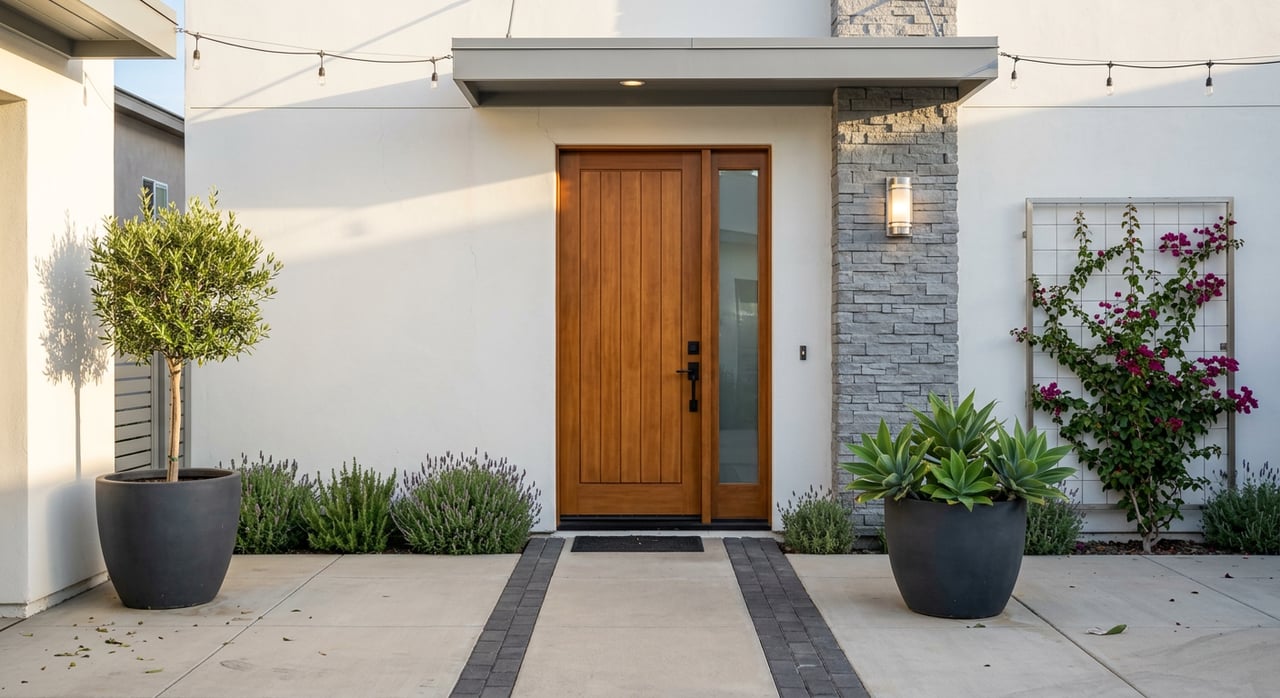
Trying to choose between a low‑maintenance condo and a yard‑friendly single‑family home in Richmond? You are not alone. Many buyers wrestle with the true monthly costs, HOA rules, commute options, and long‑term resale. In this guide, you will learn how to compare the numbers, weigh lifestyle tradeoffs, and ask the right questions before you write an offer. Let’s dive in.
Richmond market at a glance
Richmond’s market remains competitive, with multiple offers on many homes and recent median sale prices around $632,500 and days on market near 27, based on current reporting. You can review up‑to‑date figures on the Richmond housing market page.
Neighborhoods vary a lot:
- Marina Bay often features condos and townhomes with HOA dues that typically range from about $300 to $700+ per month, depending on amenities. You can browse current examples on the Marina Bay condo listings page.
- North & East offers primarily single‑family homes with older character and yard space. Get a feel for the area with this North & East neighborhood guide.
Use the city median as a baseline, then compare active listings in your target neighborhood to see how your monthly outflow changes with HOA dues, taxes, and maintenance.
What changes your monthly payment
The list price is only part of the picture. Your true monthly outflow usually includes:
- Mortgage principal and interest (PI). Your lender will model this for your rate, term, and down payment.
- Property taxes. California’s base property tax is about 1% under Proposition 13, plus voter‑approved charges and parcel assessments. Budget roughly 1.1% to 1.5% of value, then confirm the exact amount from the seller’s latest tax bill. Learn how the tax structure works from the Legislative Analyst’s Office primer, and see local billing guidance from the Contra Costa Treasurer‑Tax Collector.
- Homeowners insurance. Waterfront or low‑lying parcels may require extra flood coverage; earthquake coverage is a separate policy. Get quotes early.
- HOA dues (condos/townhomes). HOAs often cover exterior maintenance, common‑area landscaping, amenities, building insurance on a master policy, and sometimes trash or water. Ask for the HOA budget, reserve study, and any special assessments.
- Maintenance reserve (single‑family). A common rule of thumb is to plan about 1% of home value per year for maintenance, and consider a higher buffer for older homes. See national cost context from Bankrate’s maintenance cost guide.
Neighborhood tradeoffs to weigh
Marina Bay condos and townhomes. You get lower hands‑on maintenance, amenities like pools or gyms in some complexes, and waterfront access. Many residents value the ferry connection and proximity to the Bay Trail. The tradeoff is an HOA that you must include in your monthly budget. Explore transit options including the Richmond BART Station and the San Francisco Bay Ferry service history at Craneway/Harbour Way in this city update.
North & East single‑family homes. Expect private yards, storage, and more room to personalize. There is no HOA, but you will shoulder individual maintenance and repairs over time. Take a quick tour with this North & East neighborhood guide.
Hilltop‑adjacent communities. More suburban feel with easy highway access and shopping nearby. You will see a mix of single‑family and townhome options. Compare HOA costs and yard size within your commute goals.
Point Richmond contrast. Higher price points and a different housing mix. If you are comparing waterfront appeal versus monthly carrying costs, balance the list price against HOA dues and expected maintenance.
A worked monthly comparison (hypothetical)
Use examples like these to frame your budget. Your lender will run the exact numbers for your rate, program, and down payment.
These examples show how a lower purchase price with an HOA can compare to a higher‑priced single‑family without an HOA. Your exact numbers will depend on your interest rate, taxes by parcel, down payment, and coverage choices.
Commute, parking, and daily life
- Transit options. Richmond’s BART station, San Francisco Bay Ferry access, Amtrak/Capitol Corridor, and AC Transit bus lines offer multiple commute paths. Check schedules and travel times to Oakland, Berkeley, San Francisco, and the Peninsula for your work hours. See the Richmond BART Station for location and connections and the city’s ferry service update for waterfront context.
- Parking. Condos typically assign parking and may limit guest spaces. Single‑family homes usually include a garage or driveway, which can help if you plan for EV charging or frequent visitors.
- Outdoor space. Condos deliver low‑maintenance patios or balconies and shared green spaces. Single‑family homes offer private yards, storage, and potential for future expansion, subject to local rules.
Risks and due diligence to plan for
- Property taxes by parcel. Confirm the latest tax bill for the address you are considering. The Contra Costa Treasurer‑Tax Collector can help you understand local line items.
- Flood and earthquake exposure. Near‑water or low‑lying properties may face flood risk, and earthquake coverage is a separate policy in California. Review FEMA flood maps and NOAA sea‑level‑rise tools at the parcel level and get insurance quotes before you commit.
- Industrial context. Richmond hosts major industrial sites, including the Chevron refinery. If emissions and flaring events are a concern for your family, research public materials such as Chevron’s Rule 6‑5 resource page and consult regional air‑quality updates.
Questions to bring to your lender and HOA
Use this checklist to get clear answers before you compare properties.
Which choice fits you best?
- Choose a condo if you want lower hands‑on maintenance, value amenities, and prefer predictable monthly costs that include HOA dues. This can be a good fit if you commute by ferry, BART, or carpool and want a turnkey home near the water.
- Choose a single‑family home if you want a private yard, storage, and flexibility to add value over time. This can make sense if you are ready to budget for annual maintenance and prefer a more residential block feel.
If you are on the fence, preview one of each in the same weekend and bring your lender‑estimated monthly numbers. Seeing the space in person while you hold the true cost comparison can make the decision clear.
Ready for expert, integrated guidance?
Buying in Richmond means balancing transit, HOA rules, and long‑term costs. With in‑house mortgage services and buyer representation, our team can model your monthly payment two ways and help you choose the best fit. Hablamos Español. When you are ready, get pre‑approved and start a focused search with Frontline Network.
FAQs
What is the current Richmond median home price?
- Recent reporting shows a median sale price around $632,500 and a competitive market with multiple offers and days on market near 27; check the latest figures on the Richmond housing market page.
How much are typical HOA dues in Marina Bay condos?
- Many Marina Bay condo listings show HOA dues roughly in the $300 to $700+ per month range, depending on the building and amenities; browse examples on the Marina Bay condo listings page.
How should I budget for single‑family maintenance in Richmond?
- A common rule of thumb is about 1% of the home’s value per year for routine maintenance, with a higher cushion for older properties; see national context from Bankrate’s guide.
What property tax rate should I plan for in Contra Costa?
- California’s base is about 1% under Prop 13, plus local assessments; many buyers budget 1.1% to 1.5% of value and then confirm the exact amount from the seller’s tax bill; read the state tax primer.
What are my commute options from Richmond?
- You can access BART, San Francisco Bay Ferry service, Amtrak/Capitol Corridor, and major highways; see the Richmond BART Station and the city’s ferry update for context.
Do condos include insurance, water, or trash in the HOA?
- Some Richmond HOAs include portions of building insurance on a master policy and may cover water or trash, but details vary; review the HOA budget, reserve study, and inclusions before you commit.
Should I worry about flood or industrial risks when buying in Richmond?
- For waterfront or low‑lying parcels, review FEMA flood maps and consider flood insurance; also research Richmond’s industrial context, including Chevron’s Rule 6‑5 resource page, and consult regional air‑quality updates for a full picture.