In Fairfield, Air Base Parkway Decides What You Have to Disclose
October 1, 2026
October 1, 2026
Two three-bedroom homes a few blocks apart in Fairfield can close escrow with entirely different paperwork stapled to the same state form. It has nothing to do with square footage, lot size, or which subdivision sign is out front. It comes down to which side of Air Base Parkway the parcel sits on, and whether it falls east of Clay Bank Road or east of Walters Road. That geographic test, written into the city's own municipal code, decides whether a seller has to attach specific language about Travis Air Force Base aircraft noise to the transfer disclosure statement.
Most sellers never see this coming, because the standard California Transfer Disclosure Statement, the one used statewide, doesn't ask about it. Fairfield added its own chapter to the municipal code to close that gap, and the noise language is only one piece of it.
California law lets cities attach local disclosure requirements to a home sale through what the civil code calls a local option real estate transfer disclosure statement. Fairfield used that authority to write Chapter 18A of its municipal code, a section built specifically to make sure buyers learn about city taxes and assessments, vacant land slated for future development, homes inside a designated Quality Neighborhood Project, and aircraft noise from Travis Air Force Base before they close.
None of that shows up on the generic state form. It only surfaces if the seller, the agent, or the title company knows to pull the city's own addendum language and attach it.
Fairfield has two ordinances tied to specific golf courses, and both use nearly identical language. Anyone selling a home that abuts Rancho Solano Golf Course, the gated community off Waterman Boulevard on the west side of Interstate 80, has to include a specific sentence on the disclosure statement:
"The home you may purchase in Rancho Solano located at [address] is subject to an easement for errant golf balls."
The same clause, word for word except for the course name, applies to homes abutting Paradise Valley Golf Course. Both ordinances go on to state plainly that golfers are responsible for their own shots and that the city has no plan to redesign either course or pay for damage a stray ball causes. The requirement only reaches parcels that actually share a boundary line with the course, not every home in the surrounding neighborhood. A house two streets back from the fairway doesn't need the language. A house whose backyard fence is the course boundary does.
The Travis Air Force Base clause works the same way, tied to lines on a map rather than proximity in general. The code spells out the trigger precisely: residential subdivisions located north of Air Base Parkway and east of Clay Bank Road, or south of Air Base Parkway and east of Walters Road, must carry the disclosure. Everyone else doesn't, regardless of how close their street feels to the base.
The disclosure text itself is specific too. It states that the city does not permit residential development above a 60-decibel noise contour for the base's maximum mission, as represented in the 2002 Travis Air Force Base Land Use Compatibility Plan, and it warns that noise levels may shift depending on the base's mission and operations at any given time.
That citation to a 2002 planning document is worth pausing on. In August 2024, a Solano County commission voted 6-1 to approve an updated Travis Air Force Base Land Use Compatibility Plan, adding a new Low Altitude Maneuvering Zone that can restrict development even on projects already underway under the older plan. The city's own disclosure ordinance, at least as codified, still points sellers back to the 2002 version. That's not necessarily a contradiction. It may simply mean the local disclosure text hasn't been updated to reference the newer county plan. But it means a seller who reads only the ordinance's literal wording is reading a citation to a planning document that is no longer the most current one governing the base's compatibility zones. The street-boundary test in the city code still applies as written. The noise-contour reasoning behind it has moved since the ordinance's last text update. That gap is exactly why a phone call to the Fairfield Planning and Development Department, rather than a memorized checklist, is the safer way to confirm what a specific parcel owes.
Two more pieces of Chapter 18A rarely make it into an agent's mental checklist because they don't have a catchy name attached.
Any residential-zoned property has to carry a future development disclosure, a notice that vacant land planned for development may exist nearby. It's a short sentence, but it applies broadly across the city, not just near the base or the golf courses.
Homes located inside a designated Quality Neighborhood Project carry a separate disclosure pointing buyers to the city's Quality Neighborhood Team for more detail. This one is easy to miss because "Quality Neighborhood Project" isn't a phrase most buyers or out-of-town agents recognize on sight, so it can read like boilerplate rather than a flag worth following up on.
And every transfer has to disclose the type and dollar amount of taxes and assessments payable to the city, the school district, the irrigation district, the sewer district, and the county in the fiscal year of the transfer, including any Mello-Roos community facilities tax. If a development is still under construction, the code specifically warns that the special tax can climb sharply year over year before it stabilizes once the project is finished.
| Disclosure | Applies when | Verify with |
|---|---|---|
| Travis AFB aircraft noise | Parcel is north of Air Base Parkway and east of Clay Bank Road, or south of Air Base Parkway and east of Walters Road | Fairfield Planning and Development Department, 1000 Webster St, 2nd Floor, (707) 428-7461 |
| Rancho Solano golf ball easement | Parcel abuts Rancho Solano Golf Course | Same department, plus county parcel map |
| Paradise Valley golf ball easement | Parcel abuts Paradise Valley Golf Course | Same department, plus county parcel map |
| Quality Neighborhood Project | Home falls inside a designated QNP | Fairfield Quality Neighborhood Team, 1000 Webster St, (707) 428-7642 |
| Future development | Any residential-zoned parcel | Fairfield Planning and Development Department |
| Special taxes and assessments | Any transfer subject to city, school, irrigation, sewer, or county levies | City finance and district records |
Travis Air Force Base sits three miles east of downtown Fairfield and remains the county's largest employer. It's home to the 60th Air Mobility Wing, the largest wing in Air Mobility Command, flying C-5M Super Galaxy and C-17 Globemaster III cargo aircraft alongside KC-46 Pegasus refueling tankers. The base is known as the Gateway to the Pacific and handles more cargo and passenger traffic than any other military air terminal in the country. That's an active flying mission, not a historical footnote, which is the reason the ordinance itself acknowledges that noise levels can change depending on operations rather than staying fixed.
County-level advisories used by Solano Association of Realtors members flag a handful of additional items beyond Fairfield's own code, including notices tied to Suisun Marsh proximity and nearby agricultural operations. None of those are unique to Fairfield the way the golf course and base disclosures are, but they're a reminder that a city-specific checklist and a county-wide one aren't the same list.
None of this paperwork is optional once the trigger condition is met, and none of it is discretionary based on how the agent feels about the property. It's determined by where the parcel physically sits relative to a handful of named streets and course boundaries. A seller who assumes their home is "far enough" from the base or "not really touching" the golf course is making a geographic judgment call that the city already made for them in code. The only way to know for certain is to check the parcel against the actual boundary lines, not the neighborhood's general reputation.
That's the kind of detail that either gets caught before a listing goes live or gets caught by a title company mid-escrow, at which point it becomes a delay instead of a checklist item.
Does every home in Fairfield need the Travis Air Force Base disclosure? No. Only residential subdivisions that fall north of Air Base Parkway and east of Clay Bank Road, or south of Air Base Parkway and east of Walters Road, are required to carry it under the city's ordinance.
My home is near a golf course but doesn't touch it directly. Does the golf ball easement disclosure still apply? The ordinance's language is tied to parcels that abut Rancho Solano or Paradise Valley Golf Course specifically. A home nearby in the same subdivision that doesn't share a boundary line with the course isn't captured by the clause.
Where can I confirm which of these apply to a specific address before listing? The Fairfield Planning and Development Department at 1000 Webster Street handles the aircraft noise and future development disclosures at (707) 428-7461. The Fairfield Quality Neighborhood Team, at the same address, handles Quality Neighborhood Project status at (707) 428-7642. A county parcel map settles golf course abutment.
Getting these attached correctly before a home hits the market is exactly the kind of detail that shouldn't be left to a generic checklist. If you're preparing to sell in Fairfield and want the local disclosure picture confirmed against your specific parcel before you list, Frontline Network will walk through it with you street by street.
Experience the genuine approach to real estate with Frontline Network, where success is not measured by the number of sales but by the positive outcomes we achieve for everyone we serve.
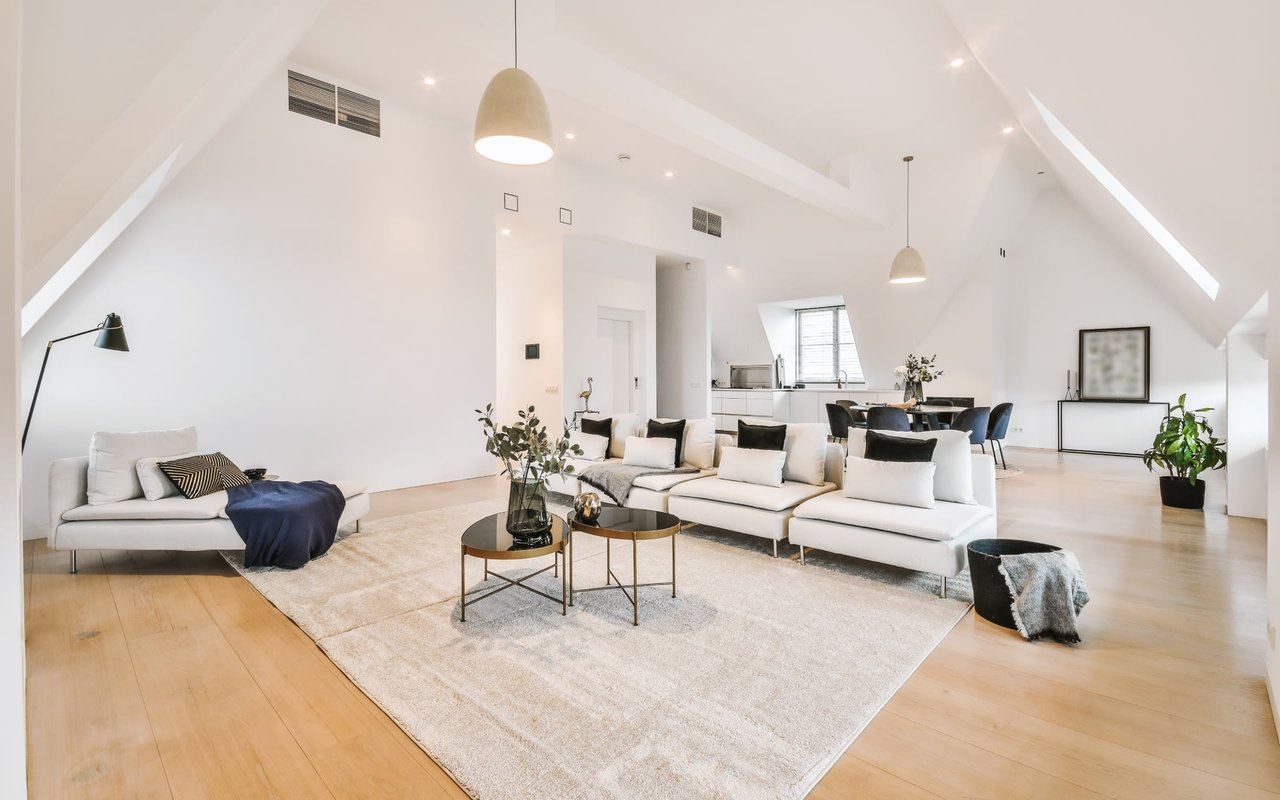
806 Bridle Ridge Drive Fairfield, Ca 94534 CLAUDIO O. BARRIENTOS | CA DRE# 02102049